Showing posts with label colleges. Show all posts

Monday, July 12, 2021

Famous When Do Colleges Issue Refund Checks References

Tax refund check Stock Photo Alamy
Tax refund check Stock Photo Alamy from www.alamy.com

Are you eagerly awaiting your college refund check? Wondering when it will finally arrive in your mailbox or bank account? You're not alone. Many college students and their families are anxiously anticipating the arrival of these much-needed funds. In this article, we will explore the topic of when colleges issue refund checks and provide you with all the information you need to know.

Waiting for a college refund check can be a source of stress and uncertainty for students. It's not uncommon for students to rely on these funds to cover various expenses, such as textbooks, housing, and living expenses. However, the timing of when colleges issue refund checks can vary from institution to institution, leading to confusion and frustration for many students.

So, when exactly do colleges issue refund checks? The answer to this question depends on several factors, including the school's policies and procedures, the time it takes to process financial aid, and the specific disbursement schedule. Generally, colleges aim to issue refund checks as soon as possible after the start of the semester, but it can take several weeks for the funds to be disbursed.

Personal Experience: When Do Colleges Issue Refund Checks

During my time as a college student, I remember eagerly awaiting my refund check each semester. It was always a relief to receive those funds and know that I could cover my expenses for the upcoming months. However, I also experienced the frustration of waiting for the check to arrive. There were times when it took longer than expected, causing me to stress and worry about how I would pay for my textbooks or other necessities.

In researching this topic further, I discovered that the timing of refund checks can vary significantly from one college to another. Some schools may issue refunds within a few weeks of the start of the semester, while others may take a month or longer. It's essential for students to familiarize themselves with their school's policies and deadlines to ensure they are aware of when to expect their refund.

Understanding When Do Colleges Issue Refund Checks

When do colleges issue refund checks? As mentioned earlier, the timing can vary depending on several factors. One of the main factors is the disbursement schedule set by the college or university. This schedule determines when financial aid funds, including any excess funds or refunds, are released to students.

In general, colleges strive to disburse financial aid funds as early as possible to help students cover their educational expenses. However, there are often administrative processes and procedures that need to be completed before the funds can be released. These processes can include verifying enrollment, calculating eligibility, and coordinating with various financial aid programs.

Additionally, the type of financial aid a student receives can also impact when they receive their refund check. For example, if a student receives a Pell Grant, the funds may be disbursed earlier in the semester compared to other types of aid. It's crucial for students to understand the specific disbursement schedule for each type of financial aid they receive.

The History and Myth of When Do Colleges Issue Refund Checks

The history of when colleges issue refund checks dates back to the establishment of financial aid programs and the need to assist students with their educational expenses. Over time, colleges have developed policies and procedures to ensure the fair and timely disbursement of funds.

However, there are also some myths and misconceptions surrounding the timing of refund checks. One common myth is that colleges intentionally delay refund checks to hold onto the funds for longer. While it's true that some administrative processes can cause delays, colleges have a responsibility to disburse funds in a timely manner to assist students with their educational expenses.

It's essential for students to familiarize themselves with their school's policies and procedures to understand when they can expect their refund check. By doing so, students can better plan their finances and avoid unnecessary stress and uncertainty.

The Hidden Secret of When Do Colleges Issue Refund Checks

So, what's the hidden secret of when colleges issue refund checks? The answer is that there isn't a one-size-fits-all answer. Each college or university has its own policies and procedures for disbursing funds, and these can vary widely.

Some schools may have a specific disbursement schedule that outlines when refund checks will be issued, while others may disburse funds on a rolling basis as financial aid is processed. It's crucial for students to consult their school's financial aid office or website for detailed information about refund disbursement.

Additionally, it's important to note that the timing of refund checks can also be impacted by external factors, such as delays in processing financial aid or changes in federal regulations. These factors are beyond the control of individual colleges and can sometimes lead to unexpected delays in receiving refund checks.

Recommendations for When Do Colleges Issue Refund Checks

Based on my research and personal experience, here are some recommendations for students who are waiting for their college refund checks:

1. Familiarize yourself with your school's refund policies and procedures. This will help you understand when you can expect your refund check and any specific requirements or deadlines you need to meet.

2. Stay in touch with your school's financial aid office. If you have any questions or concerns about your refund check, reach out to the financial aid office for clarification and assistance.

3. Plan your finances accordingly. While waiting for your refund check, create a budget and explore other options for covering your expenses, such as part-time work or seeking additional financial aid.

4. Be patient and proactive. Remember that the timing of refund checks can vary, and delays may occur due to factors beyond your school's control. Stay proactive in managing your finances and seek support if needed.

When Do Colleges Issue Refund Checks: Explained in More Detail

To further understand when colleges issue refund checks, let's dive into the topic in more detail. The process of refund disbursement typically involves several steps:

1. Verification of enrollment: Before issuing a refund check, colleges may verify that the student is enrolled in the required number of credits or courses for the semester. This ensures that only eligible students receive refund checks.

2. Calculation of eligibility: Once enrollment is verified, colleges calculate the student's eligibility for financial aid and any excess funds or refunds. This calculation takes into account various factors, such as tuition and fees, housing costs, and other educational expenses.

3. Disbursement of financial aid: After verifying enrollment and calculating eligibility, colleges disburse financial aid funds to the student's account. These funds may include federal grants, scholarships, loans, or other forms of assistance.

4. Processing of refund checks: Once financial aid funds have been disbursed, colleges process refund checks for any excess funds. These checks are typically issued to the student or deposited directly into their bank account, depending on the student's chosen method of disbursement.

Tips for When Do Colleges Issue Refund Checks

Here are some tips to help you navigate the process of when colleges issue refund checks:

1. Keep track of important dates and deadlines related to refund disbursement. This includes the start of the semester, financial aid application deadlines, and any specific refund check issuance dates.

2. Review your financial aid award letter to understand the types and amounts of aid you are eligible to receive. This will give you an idea of the potential refund amount you may receive.

3. Set up direct deposit if available. Many colleges offer the option to have refund checks directly deposited into a bank account, which can expedite the process and ensure the funds are available more quickly.

4. Communicate with your school's financial aid office if you have any questions or concerns about your refund check. They are there to assist and provide guidance throughout the process.

Question and Answer: When Do Colleges Issue Refund Checks

Q: Can I request an early refund check from my college?

A: It depends on the policies of your college. Some schools may have a process in place for requesting an early refund check due to extenuating circumstances. Reach out to your school's financial aid office for more information.

Q: What happens if I don't receive my refund check on time?

A: If you don't receive your refund check by the expected date, contact your school's financial aid office to inquire about the status. They can provide information and assistance in tracking down the funds.

Q: Can I use my refund check for non-educational expenses?

A: While refund checks are typically intended to cover educational expenses, such as textbooks and housing, you have some flexibility in how you use the funds. However, it's important to use the money responsibly and prioritize your educational needs.

Q: How can I avoid delays in receiving my refund check?

A: To avoid delays, make sure you have completed all necessary financial aid requirements, such as submitting required documents and completing any loan entrance counseling or promissory notes. Staying on top of deadlines and communicating with your school's financial aid office can also help minimize delays.

Conclusion of When Do Colleges Issue Refund Checks

In conclusion, when do colleges issue refund checks can vary depending on various factors, including the school's policies, financial aid disbursement schedule, and external factors. It's important for students to familiarize themselves with their school's policies and procedures to understand when they can expect their refund check. By staying informed and proactive, students

+29 What Colleges Are In Boulder Colorado 2023

Hello, 17 of the Prettiest College Campuses
Hello, 17 of the Prettiest College Campuses from www.textbooks.com

If you're considering attending college in Boulder, Colorado, you're in luck! Boulder is home to several top-notch colleges and universities that offer a wide range of programs and opportunities. Whether you're interested in pursuing a degree in the arts, sciences, business, or any other field, you're sure to find a college in Boulder that meets your needs. In this article, we'll explore what colleges are in Boulder, Colorado, and why they are worth considering.

Boulder is known for its vibrant and diverse community, stunning natural surroundings, and thriving arts and culture scene. However, when it comes to finding the right college, it can be overwhelming to navigate through the many options available. Additionally, choosing the right college is a big decision that can have a significant impact on your future. That's why it's important to have all the information you need to make an informed choice.

What Colleges are in Boulder, Colorado?

Boulder is home to several prestigious colleges and universities, including the University of Colorado Boulder, Naropa University, and the Boulder College of Massage Therapy. The University of Colorado Boulder is the largest and most well-known institution in the area, offering a wide range of undergraduate and graduate programs across various disciplines. Naropa University is a private Buddhist-inspired university that focuses on contemplative education and offers programs in the arts, psychology, and more. The Boulder College of Massage Therapy is a specialized institution that provides comprehensive massage therapy training.

In summary, Boulder, Colorado, offers a diverse selection of colleges and universities that cater to a wide range of interests and academic pursuits. Whether you're interested in a traditional university experience or a specialized program, you're sure to find a college in Boulder that fits your needs.

Exploring the Colleges in Boulder, Colorado

When it comes to choosing a college in Boulder, Colorado, it's essential to consider factors such as academic programs, campus culture, location, and cost. Each college in Boulder offers a unique experience and educational opportunities.

For example, the University of Colorado Boulder is known for its strong programs in engineering, business, environmental science, and the arts. The campus is located at the foot of the Rocky Mountains, providing students with access to outdoor recreational activities and a stunning natural environment. Naropa University, on the other hand, offers a unique blend of Eastern and Western educational philosophies and emphasizes mindfulness and contemplative practices. The Boulder College of Massage Therapy provides students with hands-on training and prepares them for careers in the growing field of massage therapy.

It's also important to consider the campus culture and community at each college. Boulder is known for its progressive and environmentally conscious mindset, and many colleges in the area reflect these values. Additionally, each college has its own unique campus culture and extracurricular activities, so it's important to visit each campus and talk to current students to get a sense of what life is like at each college.

In conclusion, Boulder, Colorado, offers a variety of colleges and universities that provide a wide range of educational opportunities. Whether you're interested in a traditional university experience or a specialized program, you're sure to find a college in Boulder that aligns with your interests and goals. Take the time to research and visit each college to find the best fit for you.

History and Myth of Colleges in Boulder, Colorado

The history of colleges in Boulder, Colorado, dates back to the founding of the University of Colorado Boulder in 1876. The university was established just a few months before Colorado became a state, making it one of the oldest institutions of higher education in the region.

Over the years, the university has grown and evolved, becoming a leading research institution and a hub for innovation and academic excellence. The campus has expanded to include state-of-the-art facilities, research centers, and a vibrant student community.

As for myths surrounding colleges in Boulder, one popular belief is that the students at the University of Colorado Boulder spend all their time outdoors and never study. While it's true that Boulder's natural beauty and outdoor recreational opportunities are a draw for many students, the university is also known for its rigorous academic programs and dedicated student body.

In reality, students at colleges in Boulder, Colorado, balance their academic pursuits with outdoor activities, community involvement, and personal growth. The combination of a challenging academic environment and an active, outdoor lifestyle creates a unique and enriching college experience.

Hidden Secrets of Colleges in Boulder, Colorado

While the colleges in Boulder, Colorado, are well-known for their academic excellence and vibrant campus communities, there are also hidden secrets that make these institutions even more special.

One hidden secret is the close-knit community that exists among students and faculty. With smaller class sizes and a focus on collaboration and engagement, students have the opportunity to build meaningful relationships with their professors and peers. This sense of community creates a supportive and nurturing environment where students can thrive.

Another hidden secret is the access to cutting-edge research and innovation. The colleges in Boulder, Colorado, are known for their research programs and partnerships with industry leaders. Students have the opportunity to work alongside world-class researchers and contribute to groundbreaking discoveries in fields such as technology, science, and sustainability.

Additionally, the colleges in Boulder, Colorado, offer a wealth of extracurricular activities and resources to support student growth and development. From clubs and organizations to internships and study abroad programs, students have the opportunity to explore their interests, gain real-world experience, and make a difference in their communities.

Recommendations for Colleges in Boulder, Colorado

If you're considering attending college in Boulder, Colorado, here are a few recommendations to help you make the most of your experience:

  1. Visit each campus: Take the time to visit each college in Boulder to get a sense of the campus culture, facilities, and student life. Talk to current students and faculty to learn more about the programs and opportunities available.
  2. Consider your interests and goals: Think about what you want to study and what you hope to achieve during your college years. Choose a college that offers programs and resources that align with your interests and goals.
  3. Take advantage of resources and support: The colleges in Boulder, Colorado, offer a wide range of resources and support services to help students succeed academically and personally. Take advantage of these resources to make the most of your college experience.
  4. Get involved: Join clubs, organizations, and extracurricular activities to meet new people, explore your interests, and make a difference in your community. Getting involved can enhance your college experience and provide valuable networking opportunities.

What Colleges are in Boulder, Colorado: Exploring the Options

When it comes to colleges in Boulder, Colorado, there are several options to consider. Here are a few more details about each institution:

  • The University of Colorado Boulder: Offers a wide range of undergraduate and graduate programs across various disciplines. Known for its strong programs in engineering, business, environmental science, and the arts.
  • Naropa University: A private Buddhist-inspired university that focuses on contemplative education. Offers programs in the arts, psychology, environmental studies, and more.
  • The Boulder College of Massage Therapy: A specialized institution that provides comprehensive massage therapy training. Prepares students for careers in the growing field of massage therapy.

Each college offers unique programs, campus cultures, and opportunities, so it's important to research each institution and visit the campuses to find the best fit for you.

Tips for Choosing the Right College in Boulder, Colorado

Choosing the right college in Boulder, Colorado, is an important decision that can shape your future. Here are a few tips to help you make the best choice:

  1. Research academic programs: Take the time to explore the academic programs offered at each college and determine if they align with your interests and goals.
  2. Consider campus culture: Visit each campus and talk to current students to get a sense of the campus culture and community. Consider if you would feel comfortable and supported in that environment.
  3. Calculate cost and financial aid: Consider the cost of tuition, fees, and living expenses at each college, as well as the availability of financial aid and scholarships. Create a budget and determine if the financial investment is feasible for you.
  4. Explore campus resources and support services: Look into the resources and support services offered at each college, such as academic advising, tutoring, career services, and mental health support. These resources can greatly contribute to your success and well-being during your college years.

Conclusion of What Colleges are in Boulder, Colorado

In conclusion, Boulder, Colorado, offers a variety of colleges and universities that provide a wide range of educational opportunities. Whether you're interested in a traditional university experience or a specialized program, you're sure to find a college in Boulder that aligns with your interests and goals. Take the time to research and visit each college to find the best fit for you. Remember to consider factors such as academic programs, campus culture, location, and cost. By making an informed decision, you can set yourself up for a successful and fulfilling college experience in Boulder, Colorado.

Sunday, July 11, 2021

Review Of Do Colleges Look At Freshman Year Grades References

Do Colleges look at Senior Year grades?
Do Colleges look at Senior Year grades? from studyinghood.com

Do you ever wonder if colleges look at your freshman year grades? As a high school student, your academic performance is important for college admissions. But does that mean colleges actually consider your grades from your first year of high school? In this article, we will explore the topic of whether colleges look at freshman year grades and provide you with valuable information to help you navigate the college admissions process.

When it comes to applying to college, there are many factors that colleges take into consideration. One of the main concerns for students is their academic performance, including their grades. While it is true that colleges place a strong emphasis on grades, especially in core subjects like math, English, and science, the significance of freshman year grades can vary.

So, do colleges look at freshman year grades? The answer is not a simple yes or no. Some colleges may consider freshman year grades as part of their admissions process, while others may focus more on your grades from sophomore and junior years. However, it is important to note that even if colleges do not explicitly require or consider freshman year grades, they may still take them into account if they are available.

Personal Experience with Freshman Year Grades

During my own college application journey, I wondered about the importance of freshman year grades. I had heard conflicting information from various sources, which left me feeling uncertain. To gain clarity, I reached out to college admissions officers and attended information sessions. From these experiences, I learned that while some colleges do consider freshman year grades, they often prioritize grades from later years as a better reflection of a student's academic progress and capabilities.

Colleges understand that the transition from middle school to high school can be challenging for students, and they take into account the adjustments and growth that occur throughout a student's high school career. They recognize that a student's academic trajectory may change as they become more familiar with high school expectations and develop better study habits.

Additionally, colleges typically evaluate applicants holistically, considering factors such as standardized test scores, extracurricular activities, essays, letters of recommendation, and personal qualities. These aspects provide a more comprehensive view of a student's abilities and potential, rather than solely relying on grades from one specific year.

What Are Freshman Year Grades?

Freshman year grades refer to the grades you receive during your first year of high school. This is typically the year when students transition from middle school to high school and adjust to the new academic environment. Freshman year grades can include courses in various subjects, such as math, English, science, history, and foreign languages.

During this year, students may encounter new challenges, such as increased coursework, higher expectations, and unfamiliar teaching styles. It is normal for students to experience a learning curve and adapt to these changes. Freshman year grades can provide colleges with insight into how well a student adjusted to high school and how they performed academically during this transitional period.

The History and Myth of Freshman Year Grades

Over time, there has been a perception that freshman year grades are not as important as grades from later years. This belief may stem from the fact that colleges often prioritize junior year grades, as they are the most recent and reflective of a student's academic abilities. Additionally, students may hear anecdotes or rumors about colleges disregarding freshman year grades.

However, it is essential to remember that each college has its own admissions criteria and processes. While some colleges may place less emphasis on freshman year grades, others may consider them as part of their evaluation. It is crucial to research individual colleges and their admissions requirements to understand their specific approach to freshman year grades.

The Hidden Secrets of Freshman Year Grades

While the significance of freshman year grades can vary among colleges, there are some hidden secrets to keep in mind. First, even if a college does not explicitly consider freshman year grades, they may still review them if they are available. Some high schools include freshman year grades on transcripts, and colleges may take them into account during their evaluation process.

Secondly, freshman year grades can provide an opportunity for students to establish a strong academic foundation. Doing well in freshman year can demonstrate your ability to handle challenging coursework and set a positive trajectory for your high school career. It is important to approach your freshman year with a growth mindset and strive for success academically.

Recommendations for Freshman Year Grades

Based on my own experiences and research, here are some recommendations for approaching freshman year grades:

  1. Take your freshman year seriously: While colleges may not place as much weight on freshman year grades, it is still important to establish good study habits and strive for academic success. Doing well in freshman year can set a positive tone for the rest of your high school career.
  2. Seek support if needed: If you are struggling academically during your freshman year, don't hesitate to seek help. Talk to your teachers, guidance counselors, or academic support services at your school. They can provide valuable resources and support to help you succeed.
  3. Focus on overall growth: Remember that colleges consider your entire high school experience, not just one year. Use your freshman year as an opportunity to learn, grow, and develop the skills necessary for future success.

Understanding the Importance of Academic Progress

While the significance of freshman year grades may vary among colleges, it is important to understand the overall importance of academic progress. Colleges want to see that you are challenging yourself academically and consistently improving. This means taking rigorous courses, maintaining a strong GPA, and demonstrating a commitment to learning.

Admissions officers consider the context of your academic journey, including any challenges you may have faced and how you have overcome them. If you had a rough start during your freshman year but showed significant improvement in subsequent years, colleges may take that into account and recognize your growth and resilience.

Tips for Freshman Year Success

Here are some tips to help you succeed academically during your freshman year:

  • Create a study schedule: Develop a consistent study routine that allows you to manage your time effectively and stay on top of assignments and studying.
  • Build relationships with teachers: Establishing positive relationships with your teachers can provide you with additional support and resources.
  • Get involved in extracurricular activities: Participating in clubs, sports, or other extracurricular activities can help you develop time management skills and showcase your interests and passions.
  • Take challenging courses: Challenge yourself academically by enrolling in honors or advanced placement courses when appropriate. These courses can demonstrate your intellectual curiosity and readiness for college-level work.

Conclusion of Freshman Year Grades

While the importance of freshman year grades in college admissions can vary, it is essential to approach your high school career with dedication and a growth mindset. Freshman year provides an opportunity to establish a strong academic foundation, develop good study habits, and set a positive trajectory for your future. Remember to focus on overall growth, seek support when needed, and challenge yourself academically. Ultimately, colleges consider your entire high school experience, and freshman year grades are just one piece of the puzzle.

Question and Answer

Q: Do all colleges look at freshman year grades?

A: No, not all colleges consider freshman year grades. Each college has its own admissions criteria, and some may prioritize grades from later years.

Q: Can bad freshman year grades ruin my chances of getting into college?

A: Bad freshman year grades alone are unlikely to ruin your chances of getting into college. Admissions officers consider your overall academic progress and growth throughout high school.

Q: Should I retake classes if I did poorly during my freshman year?

A: Retaking classes is not always necessary or recommended. Instead, focus on improving your performance in subsequent years and demonstrating growth and improvement.

Q: How can I explain my low freshman year grades in my college application?

A: If you had a challenging freshman year, you can use your college application essay or additional information section to provide context and explain any extenuating circumstances that may have affected your grades. Highlight your subsequent academic progress and growth to demonstrate resilience and determination.

Conclusion

In conclusion, the significance of freshman year grades in college admissions can vary among colleges. While some colleges may consider them as part of their evaluation, others may prioritize grades from later years. It is important to approach your freshman year with dedication, establish good study habits, and strive for academic success. Remember that colleges consider your entire high school experience, and freshman year grades are just one aspect of your application. Focus on overall growth, seek support when needed, and challenge yourself academically throughout your high school journey.

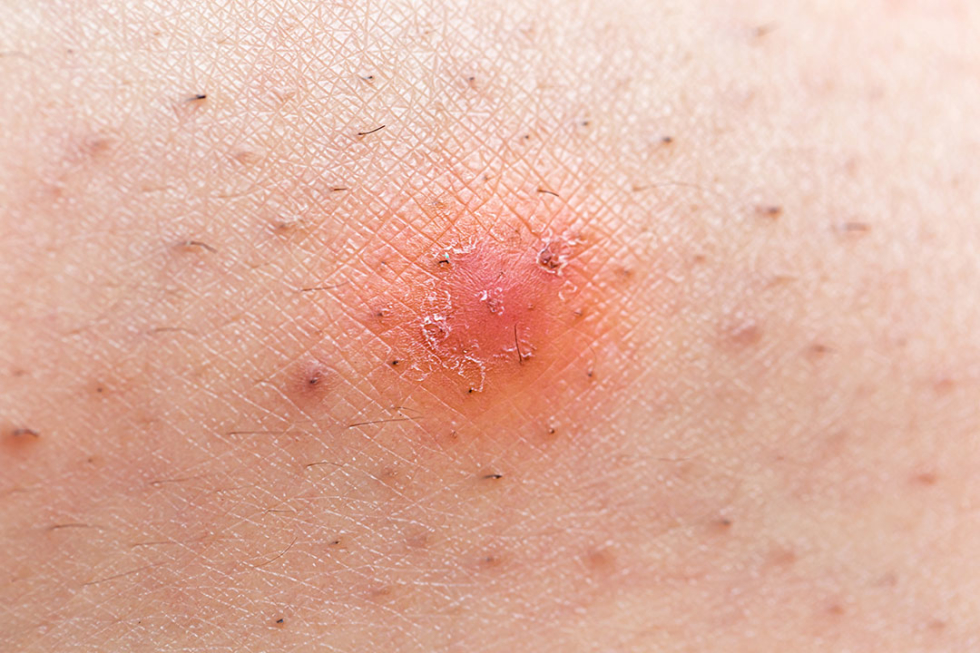
Infected Ingrown Hair: Pictures, Treatment, Removal, and More

Table Of Content Ingrown hair infection: Pictures How to Remove a Deep Ingrown Hair Safely Things you can do to treat and prevent ingrown ha...